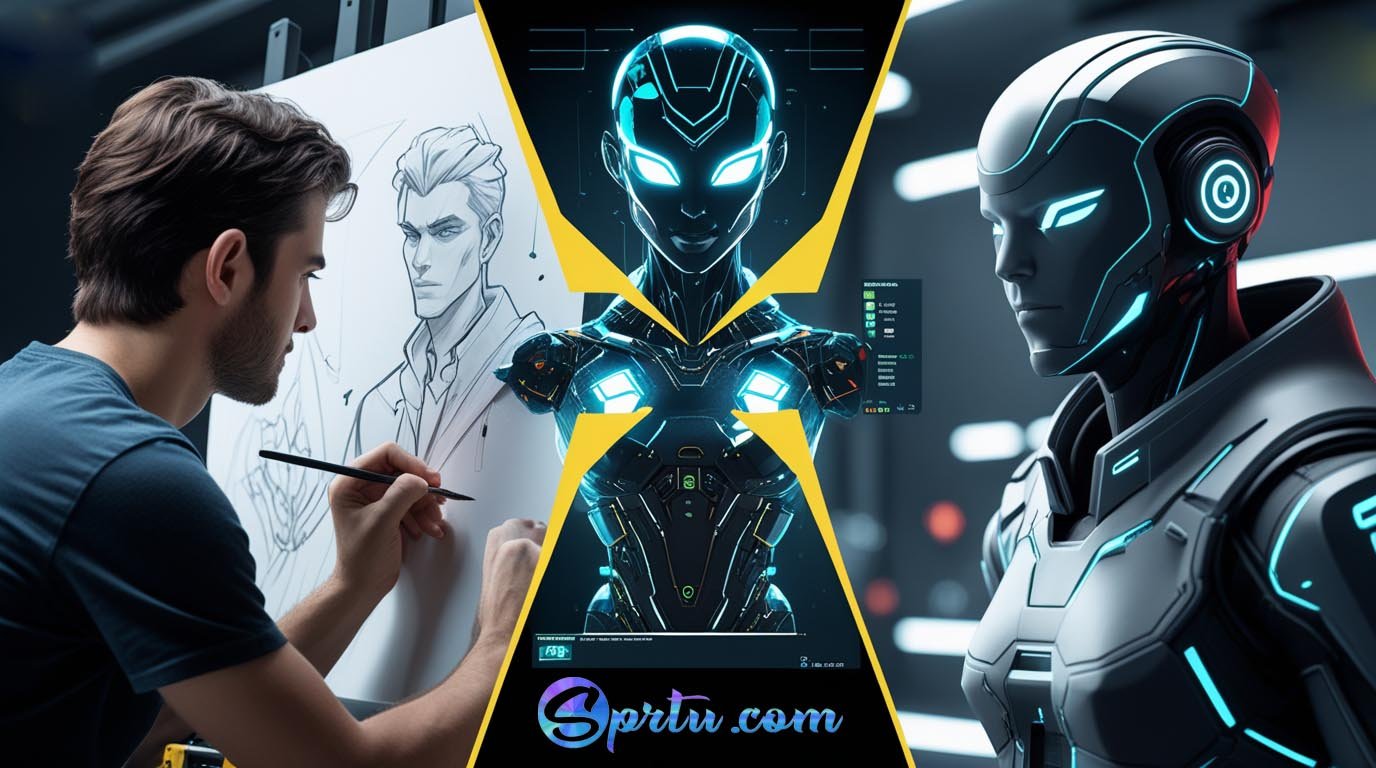
The use of AI-generated assets in video games has become one of the most controversial topics in the gaming industry. In 2025 and moving into 2026, developers, players, artists, and publishers are openly debating whether AI-created art, music, voice lines, and textures belong in modern games.
Some studios see AI as a powerful creative tool. Others view it as a threat to originality, jobs, and player trust.
This article breaks down the AI-generated assets controversy in a clear, balanced way — focusing on real concerns, real use cases, and what it means for gamers in the United States.
🤖 What Are AI-Generated Assets in Games?
AI-generated assets are game elements created using artificial intelligence tools instead of being fully hand-crafted by human artists or designers.
Common AI-Generated Game Assets
- 🎨 Artwork & textures (backgrounds, icons, items)
- 🧍 Character concepts & NPC designs
- 🗣️ AI voice acting
- 🎼 Background music & sound effects
- ✍️ Dialogue and quest text
These assets are often produced using text-to-image, text-to-audio, or procedural AI models trained on large datasets.
⚠️ Why Is There a Controversy?
The controversy isn’t about technology alone — it’s about ethics, transparency, quality, and fairness.
🔥 1. Copyright & Training Data Concerns
One of the biggest issues is how AI models are trained.
- Many AI tools learn from existing artwork found online
- Artists argue their work is used without consent or credit
- Games using AI art may unknowingly include copyrighted styles
🎯 Player concern: “Am I playing a game built on stolen art?”
🎭 2. Loss of Artistic Authenticity
Gamers often value human creativity and intention.
Critics argue:
- AI art can feel generic or soulless
- Visual styles may lack emotional depth
- Games risk looking “mass-produced”
This is especially noticeable in indie games, where art style is part of the identity.
💼 3. Job Impact on Artists & Voice Actors
Many developers and creators fear AI will:
- Replace concept artists
- Reduce voice acting opportunities
- Devalue creative professions
⚠️ Voice actors in particular have raised concerns about AI voice cloning without permission.
🕵️ 4. Lack of Transparency
Some studios use AI assets without telling players.
This has caused backlash when:
- AI art is discovered post-launch
- Storefronts don’t disclose AI usage
- Players feel misled
🎮 Trust matters — especially for paid games.
📰 Recent Examples That Sparked Debate
In recent years, several situations triggered strong community reactions:
- Indie games removed from platforms after AI art was discovered
- Steam discussions demanding AI disclosure labels
- Developers facing review bombing after admitting AI use
- Players calling for “human-made only” art policies
These cases show the controversy is no longer theoretical — it directly affects game launches and reputations.
🧠 Arguments in Favor of AI-Generated Assets
Despite criticism, many developers defend responsible AI use.
✅ Benefits Developers Point Out
- Faster prototyping and iteration
- Lower costs for small studios
- Helps solo developers compete
- AI used as a support tool, not replacement
Some studios use AI only for:
- Placeholder assets
- Idea generation
- Background elements refined by humans
When used carefully, AI can assist creativity rather than replace it.
📊 AI Assets vs Traditional Assets (Comparison)
| Aspect | AI-Generated Assets | Human-Made Assets |
|---|---|---|
| Creation Speed | Very fast ⚡ | Slower ⏳ |
| Cost | Lower 💰 | Higher 💸 |
| Originality | Mixed ⚠️ | High ⭐ |
| Emotional Depth | Limited | Strong |
| Player Trust | Risky | Established |
| Ethical Concerns | High | Low |
🎯 How Players in the US Feel About AI in Games
US gamers tend to support:
- Transparency
- Clear labeling
- Human oversight
Most players are not anti-AI, but they are against:
- Hidden AI usage
- Replacing artists entirely
- Poor-quality AI content in paid games
🎮 Casual and indie gamers especially value authentic design and fairness.
🧩 Best Practices Emerging in 2026
To avoid backlash, many studios now follow these principles:
✅ Responsible AI Use in Games
- Clearly disclose AI-generated assets
- Use AI as a tool, not a replacement
- Credit human artists and designers
- Avoid AI voice cloning without consent
- Ensure final assets meet quality standards
Transparency is becoming a competitive advantage, not a weakness.
⭐ Pros & Cons of AI-Generated Assets in Games
✅ Pros
- Faster development cycles
- Lower entry barrier for indie devs
- Useful for prototyping and testing
- Can expand creative experimentation
⚠️ Cons
- Copyright uncertainty
- Ethical concerns
- Loss of player trust
- Risk of generic or low-quality visuals
- Impact on creative jobs
🏁 Final Verdict: Where the Industry Is Headed
The AI-generated assets controversy in games is not about stopping innovation — it’s about using AI responsibly.
In 2026, the industry is moving toward a middle ground:
- AI as an assistant, not a creator
- Humans remain in control
- Players demand honesty and quality
Games that respect creators and players will win long-term trust. Those that hide AI usage or cut corners risk backlash — no matter how advanced the technology becomes.
🎮 In gaming, creativity isn’t just about speed — it’s about soul.